
Fluridone Aquatic Herbicide
Professional-grade fluridone weed control for ponds, lakes, and reservoirs
Fluridone is a systemic aquatic herbicide active ingredient used to control difficult submerged and floating weeds like duckweed, watermeal, hydrilla, and milfoil when you need long-residual results and a plan you can manage.
- Systemic herbicide (Group 12, PDS inhibitor)
- Designed for sustained, low-concentration treatments (not quick burn-down)
- Buy sealed, manufacturer-labeled product with documentation
- Questions? Call 800-509-0927
Important: This page is educational. The pesticide label is the controlling document for legal use. Always follow the specific product label and local permitting requirements.
What results look like with a correctly planned fluridone program
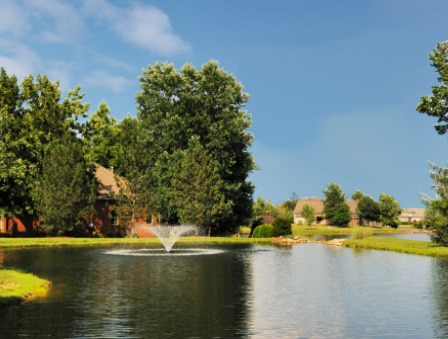
Fluridone is not a fast-acting “knockdown.” It works best when the treatment is planned around contact time and water movement.

Goal: consistent exposure, not instant kill
Effective fluridone programs commonly rely on low, sustained concentrations and longer contact exposure time. If concentrations drop too soon, plants may recover.
Why fluridone works
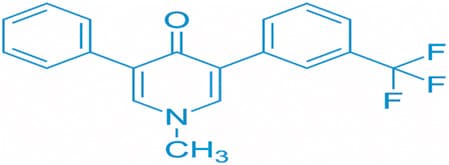
Fluridone is a systemic herbicide (Group 12). It interferes with carotenoid protection in plants, so sunlight breaks down chlorophyll. That is why many target plants “bleach” at the growing tips.
What you can observe
- Growing tips can turn white or pink after about a week under typical conditions.
- Full control is usually measured in weeks, not days.
- Programs often require maintaining exposure for extended periods.
Practical takeaway: fluridone tends to be a fit when you can maintain treatment concentration and limit dilution.
Is fluridone the right choice for your waterbody?
Fluridone is commonly selected for whole-pond or whole-basin management when sustained exposure is feasible. It is less ideal where water exchanges quickly unless a professional program is designed to maintain exposure.
Usually a good fit
- Backyard ponds and community ponds with minimal outflow
- Large basins where gradual, lake-wide control is preferred
- Management programs prioritizing long-residual control over quick burn-down
Proceed carefully
- Waterbodies with significant inflow/outflow or frequent flushing
- Partial, small-area treatments where dilution is likely
- Sites with valuable non-target plants you want to preserve
Not what fluridone does
- It does not control algae (including Chara/Nitella and filamentous algae).
- It is not a same-week “clear the pond” chemical.
- It is not a substitute for correct plant identification.
Weeds fluridone is commonly used to target
Susceptibility varies by species, timing, water movement, and product label. Always confirm the label for your specific product and state requirements.
Common targets
- Duckweed (Lemna spp.)
- Hydrilla
- Watermilfoil species (many Myriophyllum spp.)
- Elodea and related submersed weeds
- Naiads and several pondweed species
If you are unsure what you have, do not guess. Misidentification is the fastest path to wasted product and poor results.
A reality check that prevents frustration
- Fluridone works when plants are actively growing.
- Low, sustained concentration and sufficient exposure time matter.
- Dilution from flow, rainfall events, or water exchange can reduce effectiveness.
If your site has high water movement, a licensed applicator may need to design a program using monitoring and maintenance dosing.
Fluridone dosage estimator (ppb-based)
This is an estimator for planning and shopping. It does not replace the label. Choose a target concentration only if you have verified your weed species and label guidance.
Estimated results
- Estimated volume
- – acre-feet
- Active ingredient needed
- – grams fluridone (a.i.)
- Approx product needed
- – fl oz (– mL)
Next step
Use the estimate to choose the correct manufacturer-labeled product size and then confirm final rates, timing, and restrictions on the label.
Shop fluridone sizes that match your estimateEnter your acres, average depth, and target ppb, then click Calculate.
What this estimator does not do
- It does not select a legal rate range for your weed species.
- It does not account for dilution, outflow, split applications, or monitoring.
- It does not override potable water intake and irrigation restrictions.
Restrictions, documentation, and governance
Aquatic herbicide use is regulated. Build your plan around label compliance, documentation, and site conditions.
Typical water use guidance (always verify label)
- Many fluridone programs have no post-treatment restrictions for swimming and fishing.
- Do not apply at rates that exceed label limits near functioning potable water intakes.
- Irrigation restrictions can apply (including special sensitivity for tomatoes/peppers and newly seeded lawn).
If you manage a potable water source, work with the responsible authority and follow the label’s intake and monitoring requirements.
A simple compliance checklist
- Identify the plant (photo + species name). Do not treat unknowns.
- Measure volume (acres and average depth). Document assumptions.
- Confirm legal use (waterbody type, permits, label restrictions, irrigation needs).
- Keep records (product, lot number, EPA Reg. No., date, weather, target ppb, monitoring results).
Authoritative references (recommended reading)
- Wisconsin DNR: Fluridone Chemical Fact Sheet (PDF)
- Fluridone SDS resources
- Example label: Alligare Fluridone (PDF)
If you need help interpreting restrictions for your specific use case, call 800-509-0927.
How to buy genuine fluridone products (and avoid repackaged listings)
The fastest way to avoid problems is to purchase sealed, manufacturer-labeled product with the correct documentation and traceability.
Check the label
- Confirm the active ingredient and concentration.
- Verify the EPA Registration Number on the container label.
- Keep the label and SDS with your records.
Avoid repackaging risk
- Avoid decanted or “rebottled” concentrates.
- Avoid listings without clear label photos and documentation.
- Prefer original seals and lot/batch traceability.
Buy for your site type
- Static pond/lake vs flowing water matters.
- Partial treatments can dilute quickly.
- Whole-basin programs are often used for CET-based control.
Ready to buy?
Use the estimator, then shop the correct size from a trusted source with manufacturer labeling.
Fluridone FAQ
Clear answers that match real-world expectations. Always defer to the specific product label for legal use.
Fluridone is typically a gradual program. Plants may show bleaching at the growing tips after about a week, while meaningful decline and decomposition often occur over weeks. The key is sustained exposure time.
Many fluridone labels have no post-treatment restrictions for swimming and fishing, but you must follow the label for your specific product and site. Irrigation and potable intake conditions can change what is allowed.
No. Fluridone is an aquatic herbicide for plants. It does not control algae (including Chara/Nitella and filamentous algae).
Fluridone effectiveness depends on keeping an effective concentration for a long enough contact exposure time. Small, narrow, or partial treatments can be diluted by untreated water, making control harder to achieve.
- Weed identification (photo and species name).
- Water volume (acres and average depth).
- Outflow/inflow and dilution risk.
- Label restrictions for potable intake, irrigation, and permits.
- That you are buying sealed, manufacturer-labeled product with documentation.
Need fluridone for duckweed, watermeal, hydrilla, or milfoil? Buy sealed, manufacturer-labeled product.
Shop now